Unlocking the Power of CFD Analysis for Smarter Engineering Decisions
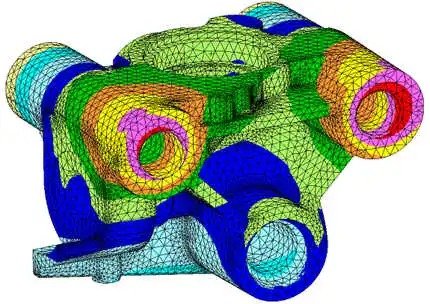
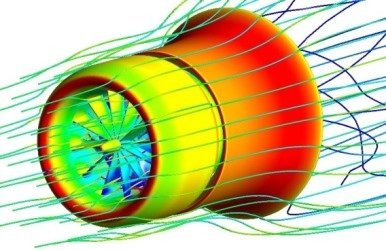
In today’s competitive engineering landscape, precision, efficiency, and innovation are non-negotiable. One technology that has transformed the way industries design and optimize products is Computational Fluid Dynamics (CFD) Analysis. By simulating fluid flow, heat transfer, and other related phenomena, CFD provides valuable insights that help engineers solve complex problems before a single prototype is built. What is CFD Analysis? CFD Analysis uses numerical methods and algorithms to analyze and solve problems involving fluid flow. It enables engineers to visualize how gases and liquids will behave under specific conditions—something that is often impossible or costly to replicate through physical testing. Key Benefits of CFD Analysis Design Optimization – Evaluate multiple design iterations quickly and cost-effectively. Reduced Prototyping Costs – Detect and address design flaws before manufacturing. Enhanced Performance – Identify ways to improve efficiency, reduce drag, and optimize thermal performance. Time Savings – Minimize testing cycles and accelerate product development timelines. Applications Across Industries Automotive: Improving aerodynamics and fuel efficiency. Aerospace: Optimizing lift, drag, and thermal management. HVAC Systems: Enhancing airflow and energy efficiency. Industrial Equipment: Preventing cavitation, optimizing mixing processes, and improving cooling systems. Oil & Gas: Ensuring safe and efficient pipeline and offshore operations. CFD at the Heart of Innovation With powerful simulation tools, CFD Analysis transforms complex engineering challenges into actionable solutions. Whether it’s reducing environmental impact, improving safety, or achieving better performance, CFD empowers businesses to make confident, data-driven decisions.